Commodities · Stock New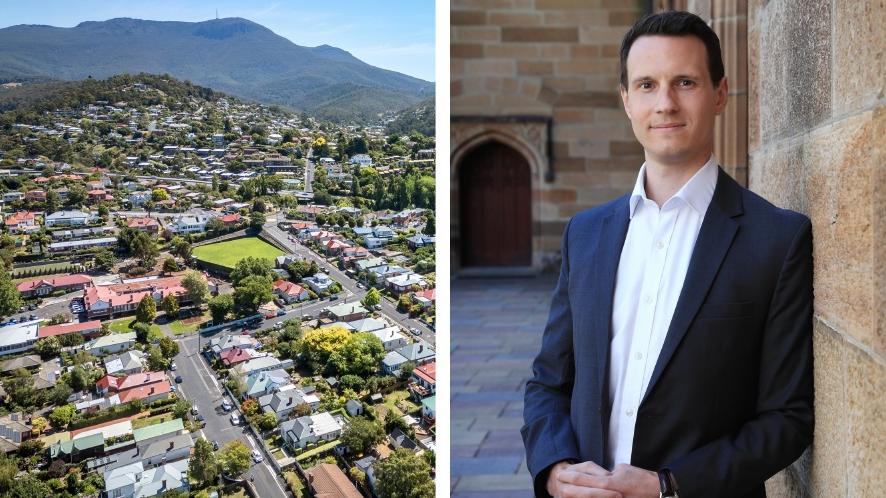
Without a meaningful increase in housing supply, affordability will remain a significant challenge, says economist Angus Moore. Picture: Supplied. The typical Tassie home costs less than other cities, but affordability remains a challenge.
A median-income Tasmanian household could afford to buy just 6 per cent of the homes sold on the Apple Isle in the 2025-2026 financial year, according to realestate.com.au’s Housing Affordability Report. This is the worst result in Australia, worse than South Australia (7 per cent) and NSW/QLD (9 per cent). Report authors Luc Redman and Angus Moore found that affordability is a little better for higher-income households in Tasmania than in other states, but overall affordability has worsened compared to previous years.
Senior economist Angus Moore said the declines in Tasmanian affordability had erased gains made over the past two years. He noted that affordability is marginally better now than the record low recorded in FY23. "A typical-income household in Tasmania, which represents about $91,000 per year, could afford around 6 per cent of homes sold in the past year – a new low for Tasmania," he said.
The renewed decline follows a period where Tasmanian home prices fell modestly through FY23 and FY24, improving affordability, before prices grew again through FY26. The resumption of price growth, combined with increasing borrowing costs, pushed affordability lower. Mr Moore said Tasmanian mortgage stress is rising, with the income needed to service a loan reaching a new high.
He noted that the share of income to repayments has reached 35.3 per cent. Demand from first-home buyers taking up government schemes and investors attracted to Tasmania’s lower entry point and strong yields has driven higher prices. The time it takes for a household to save a deposit has improved in decent years but is now climbing again, sitting at six years.
Exceed Property director Mandy Welling highlighted affordability challenges for young home buyers, singles, and lower-income households. The biggest issues are saving a deposit and stamp duty, both costing tens of thousands. A first-time buyer purchasing a median-priced house would need $25,000 to $30,000 for stamp duty alone.
The $20,000 First Home Owner Grant helps those who choose to build or purchase newly built homes, but construction costs have risen significantly. People used to be able to afford homes 30-40km further out, but extra costs of petrol and car maintenance limit savings.
Source: realestate.com.au